


How Systemic Health Conditions Show Up in Your Eyes
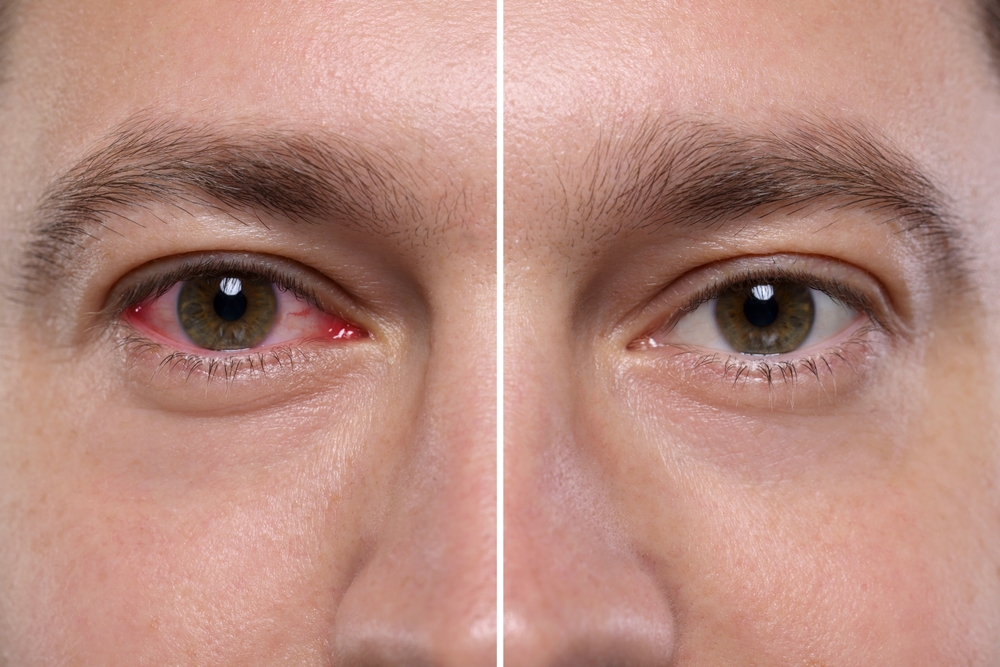
Your eyes don’t just help you see - they can also reveal what’s happening throughout your body. Because the eyes contain tiny blood vessels, delicate nerves, and transparent tissues that respond quickly to inflammation, circulation changes, and metabolic shifts, many systemic health conditions can leave early clues during a comprehensive eye exam.
Why the Eyes Reflect Whole-Body Health
The eye is one of the only places in the body where blood vessels and nerves can be viewed directly without surgery. Changes in blood sugar, blood pressure, circulation, inflammation, and neurologic function can all appear in the retina, optic nerve, and surrounding tissues - sometimes before you notice symptoms elsewhere.
Diabetes
Diabetes can damage the small blood vessels in the retina, leading to diabetic retinopathy. Early stages often have no obvious symptoms, but changes may still be visible during an eye exam. Your eye doctor may look for small retinal hemorrhages, swelling in the macula, or other circulation-related changes. Catching these signs early is important because controlling blood sugar, blood pressure, and cholesterol can help reduce the risk of vision loss.
High Blood Pressure
High blood pressure can affect the retina’s blood vessels, sometimes causing narrowing, bleeding, or fluid leakage. In more serious cases, it may also contribute to optic nerve swelling. These findings don’t just matter for vision - they can indicate long-term vascular stress that may also impact the heart, brain, and kidneys.
High Cholesterol
Elevated cholesterol can contribute to circulation problems throughout the body, including the eyes. During an exam, signs of reduced blood flow or other vascular concerns may appear in the retina. While an eye exam doesn’t replace medical testing, it can provide an additional warning sign that cardiovascular risk factors need attention.
Autoimmune and Inflammatory Conditions
Autoimmune disorders can cause inflammation that affects eye comfort and vision. Conditions such as rheumatoid arthritis, lupus, thyroid disease, and Sjögren’s syndrome may be linked to chronic dry eye symptoms like burning, grittiness, redness, and fluctuating vision. Some inflammatory conditions can also cause uveitis (inflammation inside the eye), which may lead to light sensitivity, pain, and blurred vision and should be evaluated promptly.
What You Can Do to Protect Your Vision and Your Health
Routine comprehensive eye exams are one of the simplest ways to monitor both vision and eye health - especially if you have diabetes, high blood pressure, autoimmune conditions, or thyroid disease. It also helps to share your full medical history and medications with your eye doctor and to schedule an exam quickly if you notice new or worsening symptoms.
Schedule Your Annual Eye Exam At Eye Rx
Your eyes can provide early clues about systemic health, sometimes before symptoms show up elsewhere. By identifying early warning signs, Eye Rx can help you stay proactive, protect your vision, and understand what your eyes may be signaling about your overall wellness.
Schedule a comprehensive eye exam at Eye Rx and take the next step for your long-term vision and well-being. Contact us in Washington, DC at (202) 659-2010, Chevy Chase, MD at (301) 450-8300, Arlington, VA at (703) 553-1094, Dumfries, VA at (571) 404-0188, Stone Ridge, VA at call (703) 646- 8002, or Aldie, VA at (703) 646-8002.


Quick Links
Contact Us
Powered by
